Tesla Delays Robot Deliveries to 2027, Citing Hand Design Flaws
The company pushed back its commercial rollout target, attributing the slip to persistent challenges with the robot's dexterity and durability.
By Tunde Adeyemi ·
Tesla has officially pushed back the timeline for delivering its Optimus humanoid robots to outside customers, now targeting late 2027 rather than earlier estimates. This announcement signals a continued struggle with the mechanical and software hurdles that have plagued the development of general-purpose humanoid machines.
During the company’s Q3 2026 earnings call, Elon Musk confirmed that early production has begun on the high-volume line in Fremont, California, where Model S and Model X vehicles were previously manufactured. While most of the infrastructure for a potential one-million-unit annual capacity is in place, Musk noted that reaching a rate of 20,000 units per week will take at least another year. This delay is primarily due to ongoing changes in the robot’s design, which prevent the line from operating at full efficiency immediately.
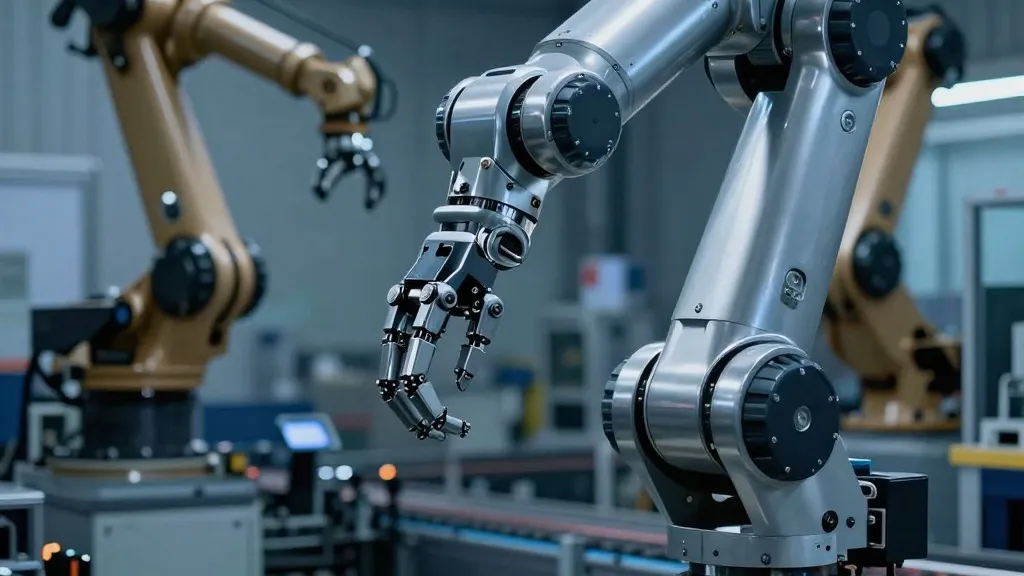
The core of the delay lies in three specific areas: artificial intelligence, electromechanical design, and long-term reliability. Musk emphasized that the robot’s hands are the most difficult hardware component to perfect. Engineers must ensure the fingers are soft enough to handle delicate objects yet durable enough to withstand constant industrial wear, a challenge complicated by the fact that robots cannot heal like human skin. Custom gears also remain a point of concern for long-term reliability.
On the software side, Tesla is still refining its AI architecture. Unlike its vehicle fleet, which continuously collects data for its full self-driving system, Tesla lacks a large fleet of robots to gather training data. To address this, the company plans to build between 10,000 and 20,000 units to practice tasks in an internal program called the Optimus Academy. Additionally, the company intends to integrate its AI5 chip into the robots around April 2027. Musk promised a video demonstration within the next month or two showing the robot performing unscripted tasks, aiming to distinguish real capability from pre-programmed routines.
This timeline shift follows a pattern of slipping deadlines. In 2024, Musk suggested internal use in 2025 and high-volume external sales in 2026. By January 2025, he projected building about 10,000 units that year, with thousands performing useful work by the end of the year, a goal he later admitted was not met. The company’s Q3 shareholder letter now describes the current output as the first "production-quality" bots, implying that previous units were not ready for commercial deployment.
Competitors are advancing on similar challenges. XPeng recently activated an automated production line for its IRON robot in Guangzhou, with mass production planned for the end of 2026 and deliveries starting in the first half of 2027. Meanwhile, Boston Dynamics has committed all of its 2026 Atlas deployments to customers, including Google DeepMind, and has opened a training center at Hyundai’s Metaplant in Georgia. While Tesla claims no one is close to its progress, these rivals are already deploying robots in industrial settings, often prioritizing sturdy grippers over the complex dexterity that is currently holding Tesla back.
For investors and industry observers, the delay underscores that building the robot is less difficult than making it useful. As competitors like XPeng and Boston Dynamics move toward commercialization with similar or earlier timelines, Tesla’s late-2027 target will be closely watched to see if the company can finally deliver a robot that is both durable and intelligent enough to replace human labor in dangerous or repetitive tasks.
Source: Electrek